Most existing HVAC systems for commercial buildings aren’t as energy efficient as they could be. This is largely because they are generally fixed systems programmed for static environments. But weather, seasons, and occupancy rates are notoriously dynamic. This discord has led to wasted energy, higher carbon footprints, and unnecessarily large utility bills and maintenance costs. Now, as climate change continues to alter our weather patterns and governments proceed to crack down on GHG emissions, the built environment is under increasing need to innovate. In the US, a commercial building’s HVAC system accounts for 35-45% of its total energy usage, a large portion of which is generally wasted due to equipment or management inefficiencies. These same buildings also happen to be responsible for 20% of global greenhouse gas emissions, adding to extreme temperatures, an increased demand for HVAC systems, and more stringent energy efficiency policies. Over the last few years, a plethora of tech companies have concentrated on developing technologies to address these challenges through artificial intelligence, applying machine learning to existing HVAC systems and making them more energy efficient. Innovative solutions, such as connected devices, AFDDs, EMIS, and advanced supervisory controls driven by AI, are gaining in popularity as a means of continuously monitoring, assessing, and adjusting HVAC systems. These solutions draw on untapped efficiency gains and open a pathway to powerful new data insights to better manage ineffective systems. The impact of these technologies is seen in their significant reduction in total energy costs, improved thermal comfort, and decrease in buildings’ carbon footprints. Additionally, these solutions are cutting down on HVAC equipment’s maintenance and overall life cycle costs by reducing the unit runtime needed to maintain optimal temperatures within a building. BrainBox AI is a prime example of this kind of technology. Lowering buildings’ total energy costs by up to 25%, reducing their carbon footprints by a 20-40%, increasing occupant comfort by up to 60%, and extending equipment service life by up to 50%, the unobtrusive, autonomous device connects to existing HVAC systems within a matter of hours. Using deep neural AI networks and cloud-based computing, it analyzes internal and external data to predict future temperatures within each zone of a building, allowing it to make pre-emptive micro-adjustments in real-time. Existing systems’ data also becomes more valuable as BrainBox AI writes back directly to a building’s control systems, rendering it compatible with other machine learning tools. Additionally, the AI solutions supports its clients with a 24/7 monitoring service that keeps track of their building’s system while preventively monitoring for equipment inconsistencies or anticipated issues. It's easy to see why embracing innovations such as these will be critical as the HVAC industry evolves. Utilizing the data that is currently available in these systems is simply a smart use of existing investments and will enable building managers to gain much more insight into their systems and efficiency opportunities. The cumulative effect of harnessing existing HVAC systems’ potential while simultaneously reducing the amount of energy they consume could go a long way toward meeting nations’ carbon reduction goals while saving on maintenance costs and utility bills. Clearly AI is an exciting avenue to explore in the drive for innovation within the notably outdated HVAC industry.
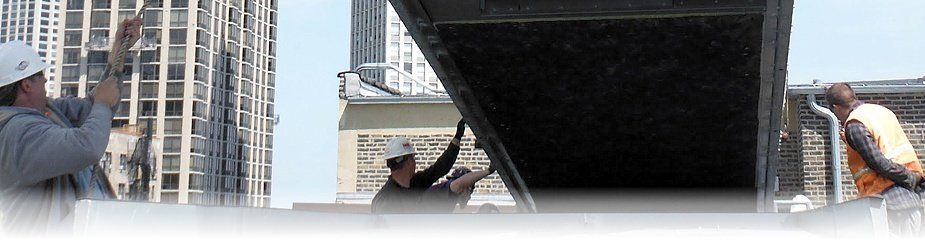
Old, run down mechanical systems or units that aren’t taken care of properly just end up costing you more money in the end. Commercial and industrial HVAC maintenance is the best way to minimize unexpected and potentially costly emergency service calls—not to mention downtime and the loss of man hours. With regular commercial HVAC maintenance, your systems run easier and last longer. Energy bills are reduced because filters aren’t blocked and units aren’t working as hard. If you’re not on a program already, call (719) 576-7158 to schedule an appointment today. Our preventative maintenance programs are available for commercial and industrial buildings throughout El Paso County Colorado, including Colorado Springs and nearby locations. The benefits are overwhelming: Minimize unexpected service calls Prevent costly service calls Keep equipment well maintained Keep equipment lasting longer Reduce energy bills Avoid downtime Recommended Industrial & Commercial HVAC Maintenance Preventative maintenance should be done regularly to get the best results. At North Town Mechanical Services, we typically recommend between four and six inspections per year, but that number really varies based on the type of equipment you have. Certain mechanical systems, such as radiant tubes, only require one annual service visit. However, each commercial HVAC maintenance plan is customized for the individual client and building, the budget, and the level of service required. Our certified technicians perform routine industrial or commercial HVAC maintenance on all your mechanical systems, including: Rooftop units Electric heating systems Air-cooled condensing units Condensing units Furnaces and AC condensers Air handler units Exhaust fans Chilled water pumps Hot water boilers Steam boilers cleaning Process chillers Centrifugal chillers Water cooled / air cooled screw chillers Reciprocating chillers Cooling towers Refrigerated air dryers Refrigeration equipment (freezers, coolers, ice machines) Pneumatic controls Gas-fired unit heaters Radiant tubes Pulse furnaces Make-up air units Fan coil split systems While each service visit is customized to your needs, regular commercial HVAC maintenance typically involves checking all parts for safe and proper operation, a tune-up, and recommendations for additional service, if needed. Sign Up for a Commercial HVAC Maintenance Plan in Chicagoland Preventative maintenance is essential for the health and functionality of your building’s mechanical systems. If your business is located in the Chicagoland area and you’re looking for a quality, affordable commercial HVAC maintenance service, North Town Mechanical Services is here to help. Save money and stress with one of our custom service contracts! Contact us online or by phone at (847) 999-4100 to sign up for an industrial or commercial HVAC maintenance plan in the Chicago, IL area.

The new season is a great reason to make and keep resolutions. Whether it’s eating right or cleaning out the garage, here are some tips for making and keeping resolutions.
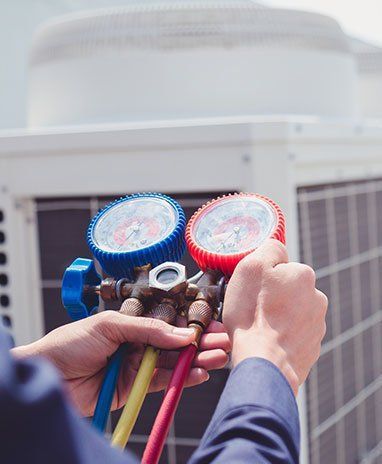
The HVAC is something that needs to be maintained from time to time. An improperly or inefficiently functioning HVAC system wastes a lot of homeowner money. The following article has information you need to help keep your system running great. When a contractor gives you a list of references, be sure to make use of it. Call the people on the list and ask about the quality of the work, how closely they came to their quote and whether or not the work was completed according to the promised timeline. Look for discounts wherever possible. HVAC systems can be rather costly, so you’ll want to seek out whatever discounts and deals that may be out there. When shopping around, ask about any current specials running, and look for discounts that are related to ENERGY STAR compliance. Both can save you a lot of cash. Before you hire anyone to do any work on your HVAC, be sure to get a written estimate which has itemized costs listed on it. This will ensure that comparing one contractor to another will be simple as you can see what one offers that another doesn’t, or what price they’re charging for the same items. Make sure you ask for an estimate in writing before choosing a specific HVAC vendor. There are a lot of moving pieces when it comes to purchasing these big items. You’ll want to compare not only the cost of the equipment, but also the set up and the overall energy costs. Before you choose someone to do HVAC work, figure out what they need to do for you. You might not be able to get a price quote unless you let the contractor see your current system first. If you can’t explain anything to them, this will be even more difficult. So, know this information in advance. Before the summer you should clean out your condenser fan’s blades and coils. Before you clean the surface, be sure to turn off the power. Also, be sure to clear leaves and debris from your condenser unit. Let your friends and family know about the discounts that are possible via ENERGY STAR. There’s a lot of savings that can be had here, so why hold this good news all to yourself! You can save those closest to you hundreds of dollars over the course of a year. Your HVAC system could suffer when trees begin dropping their leaves. Make sure the fan’s grill is cleaned often during the fall. If your fan is obstructed, it can keep your system from working properly. Hope You enjoyed reading the above tips by renowned HVAC experts in Colorado Springs
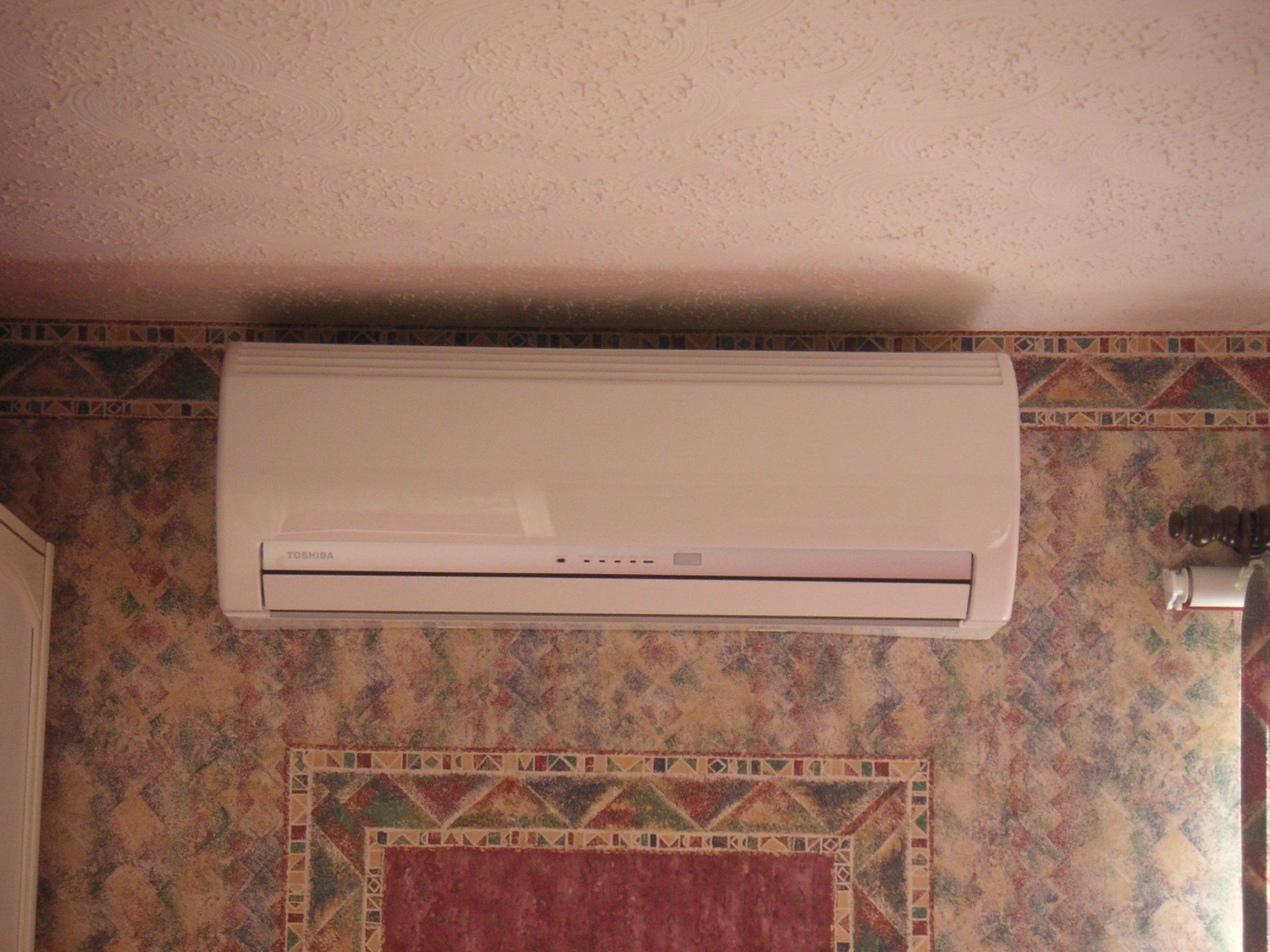
There are a number of tips that can be employed for the purpose of improving the air quality within your home. Your HVAC system is an integral part of improving your air quality. If you maintain your HVAC unit by having it maintenance regularly you can rest assured that your air quality is likely much better than average. Other means for improving and maintaining high air quality can be found below. If you have any questions regarding whether or not your HVAC unit is helping the air quality in your home, don’t hesitate to reach out to the professionals at Gene’s Heating and Air at your earliest convenience. Make Regular Radon Checks Radon is an odorless gas that can easily go unnoticed. It stems from decaying uranium in the soil. Essentially any home or office building could potentially be exposed to high radon levels. The testing for radon can typically be completed within minutes. Additionally, conducting a radon test doesn’t have to be expensive either. Once you’ve successfully received the results of your radon tests, evaluate whether or not they’re high and if they are be sure to contact an expert to fix the situation as soon as possible. Monitor Humidity Within Your Home Humidity levels should remain in the 30%-50% range. If you don’t already, using humidifiers and air conditioners are great ways to maintain proper humidity levels. Allergens like dust mites and mold tend to reside in areas where moisture is higher than 50%. Adding an air humidifier to your home is a great way to cut down on the amount of dry air within your home without allowing it to become too humid. Air humidifiers are capable of being adjusted to the levels you deem the most necessary. Improve Ventilation In Your Home Increasing the ventilation in your home can benefit the air quality in your home in numerous ways. For instance, simply opening windows during the summer helps to bring in cool, fresh air. This is one of the best natural methods for improving air quality within a home or office. Check Air Filters Within Your HVAC Unit It’s important to make sure the air filters within your home are functioning properly to ensure that your HVAC unit is doing everything it can in order to help the air quality within your home. It’s suggested to make sure your air filters are changed at least every six months. If your air filters aren’t clean and functioning, you could end up circulating dirty air throughout your home, which inevitably decreases your air quality. Keep Your Floors Clean Floors account for the majority of most rooms and typically contain lots of dust, pollen and chemicals. Simply sweeping and vacuuming regularly can have a profound impact on your air quality.
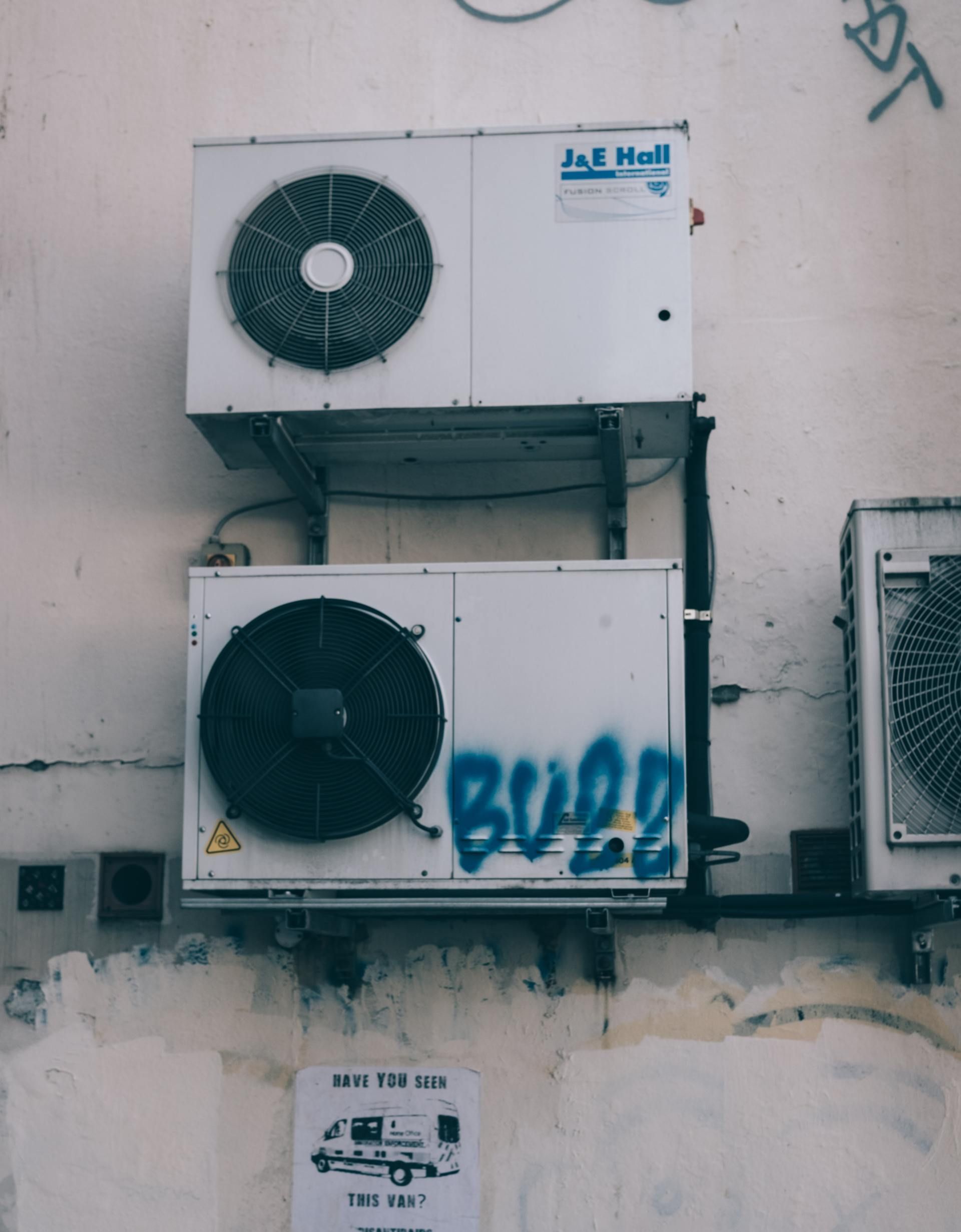
Anytime you find an unwanted leak within your home, it can become a nuisance. Along with worrying about the damage it’s causing, it can also lead you to wonder where it’s coming from and why. Once you find that it’s your home air conditioning that’s causing the leaks, the questions then become what can you do to put a stop to the leaking and how can you prevent it from happening again in the future. If you’ve had issues with your HVAC unit leaking, the following tips could provide much needed assistance. Air Leakage Air leakage is often caused by bad or loose seals. In this case, extra warm air might enter the unit and condense with the cold air. This in turn creates moisture that leads to a pool of water underneath a unit. One way to resolve such a problem is to reseal the outdoor unit to make things close properly. Fortunately, water leaking is just one of the repercussions that appear as a result of air leakage. Closing up loose seals can quickly improve the efficiency of your HVAC unit. Along with leaks, air leakage can also lead to paying more money for energy costs without your home reaching the temperature you desire. If you’re unsure of how to seal loose crevices within the seals of your HVAC unit, don’t hesitate to get a seasoned professional to handle the job for you. The Unit May Be Incorrectly Installed If your AC unit hasn’t been installed correctly, it’s not farfetched for it to leak. When an HVAC unit has been incorrectly installed, too much pressure can lead to leaking quicker than you may think. If you presume that your unit has been installed incorrectly, do a quick check to make sure the unit is level, then make sure vents within the home are closed. If you do find that your unit was initially installed incorrectly, it’s well within your best interests to call a Colorado Springs HVAC professional to get the unit installed properly as quickly as possible. The sooner you can get the unit in functioning order, the quicker the leaking will cease. Once Frozen Refrigerant Lines Are Starting to Thaw Out There are a number of problems that can occur within your AC unit that may lead to refrigerant lines to freeze. Suppose a cold front engulfs your region, and your AC doesn’t run for more than a few hours. It can lead to those coils freezing, and once the weather heats up again, it can lead to coils thawing out and leaking water. Dirty air filters and evaporator coils are the biggest culprits of frozen AC coils. If you assume that any of the above has led to your AC unit leaking, having an HVAC professional figure out the problem for you is your best solution for having a functioning unit again. If you still can’t quite pinpoint why your HVAC unit leaks water, don’t hesitate to make an appointment with the HVAC professionals at Gene’s Heating and Air.





